Fig-Talks

A physical system that brings together a personalized figure and voice.

Children can express their own voice through their figures.

Mini-Talks

What Is Fig-Talks?

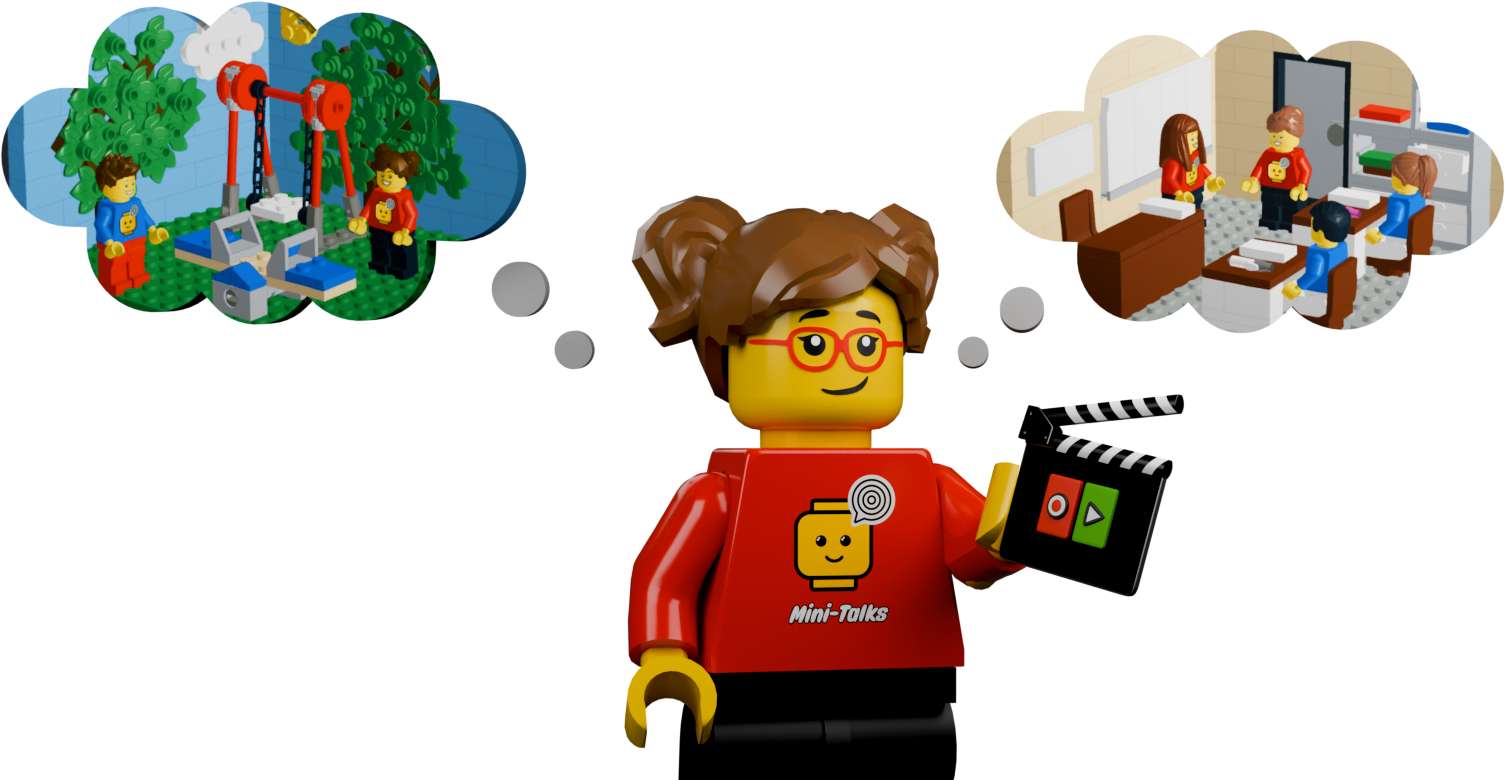
Mini-Settings erstellt die Szene.
Brick-Talks gibt der Szene eine Stimme.
Fig-Talks makes the figure speak with the child's voice.

Fig-Talks is a system that enables children to express their voice through a figure that belongs to them.

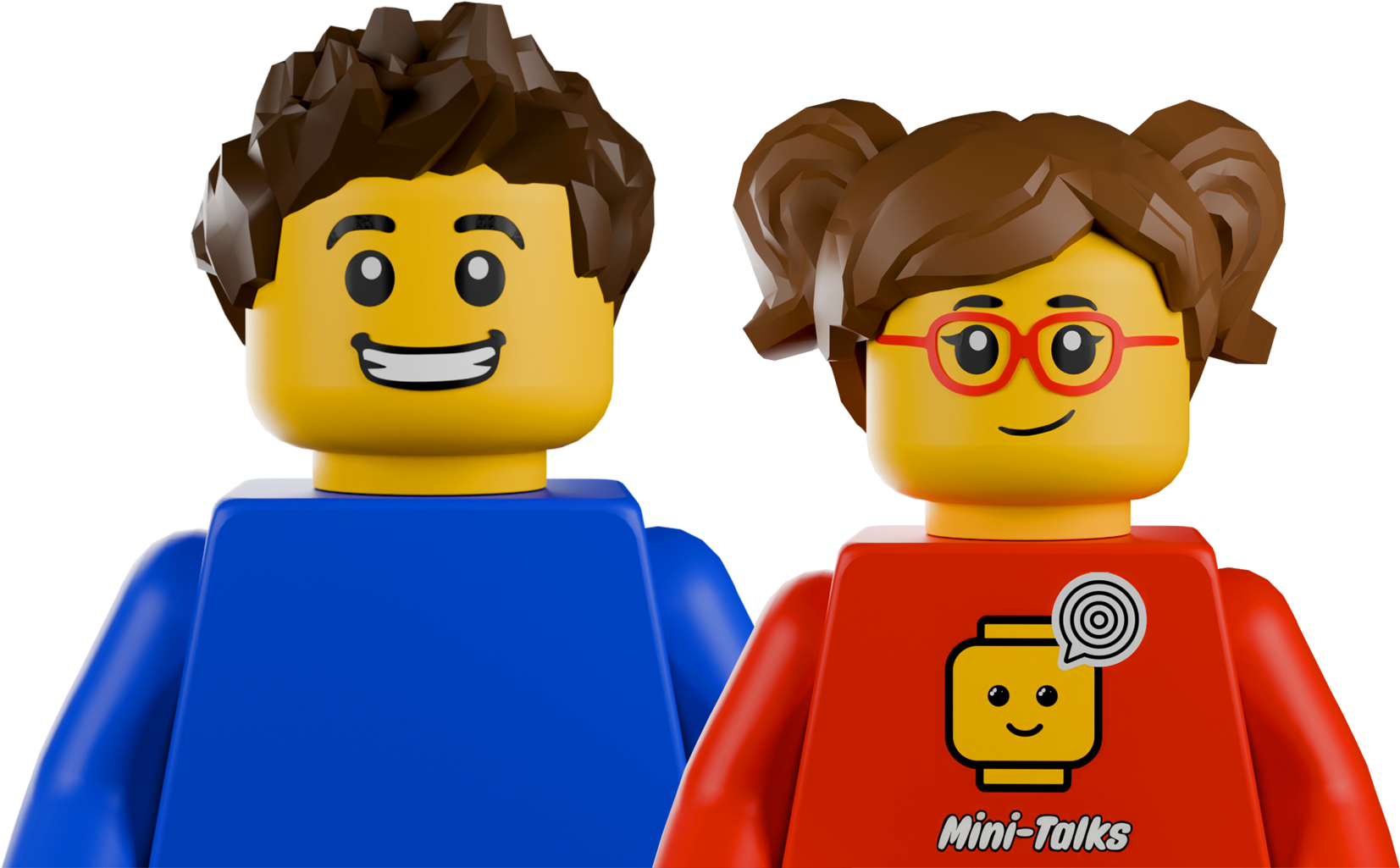
Each figure is personalized by the child.

By selecting hair, eyes, glasses, and facial details, they create a figure that reflects who they are.
The child sees themselves in the figure and builds a bond with it.

The child doesn't have to speak directly.
If they choose, they make their figure speak instead.

This approach transforms communication from speaking to expressing through a figure.

The system doesn't force children to speak.
Es gibt ihnen die Möglichkeit, die Kommunikation in ihrem eigenen Tempo und auf ihre eigene Weise zu entdecken.

Wie funktioniert es?

Fig-Talks is designed as a simple and physical interaction system.

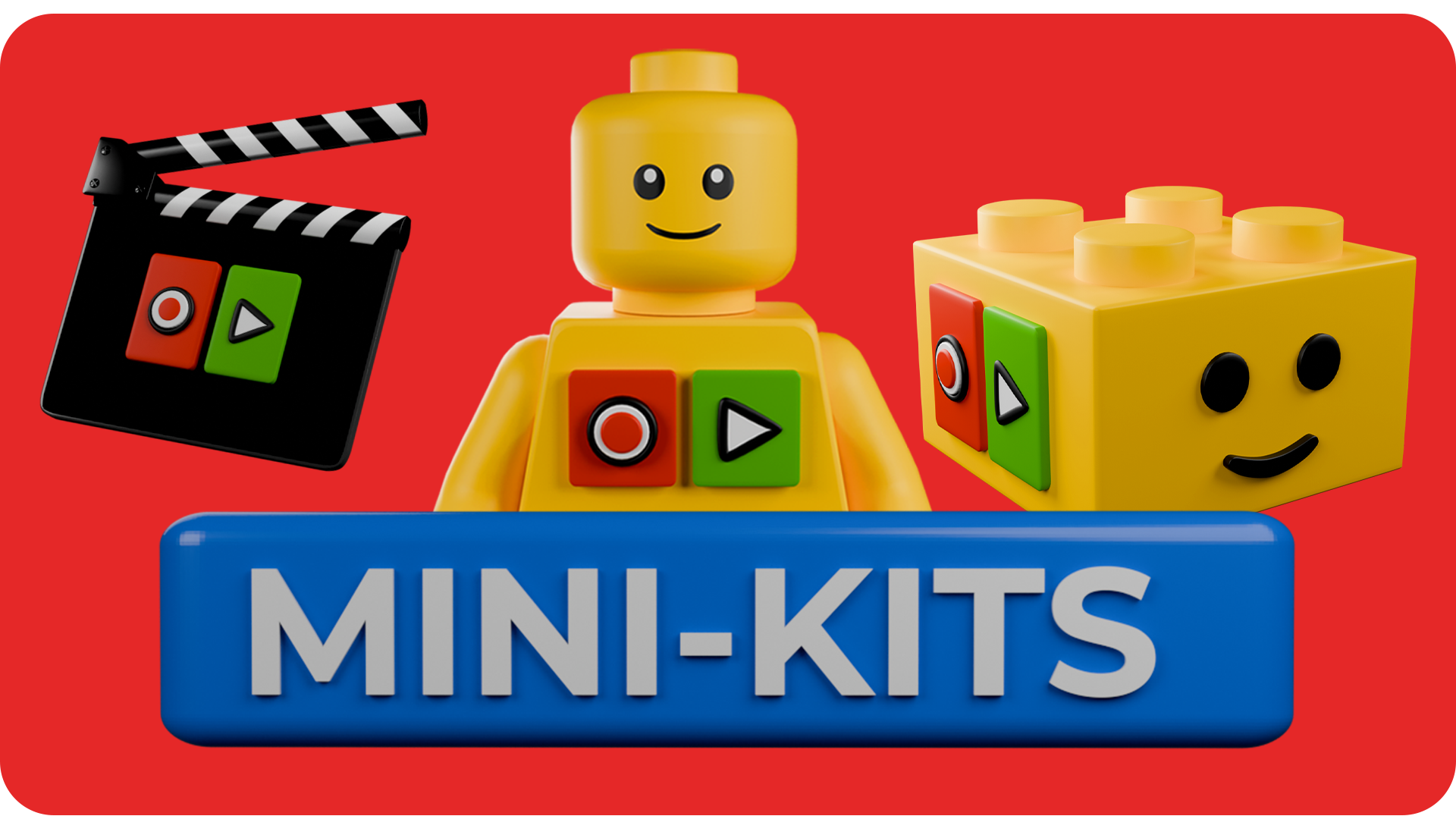
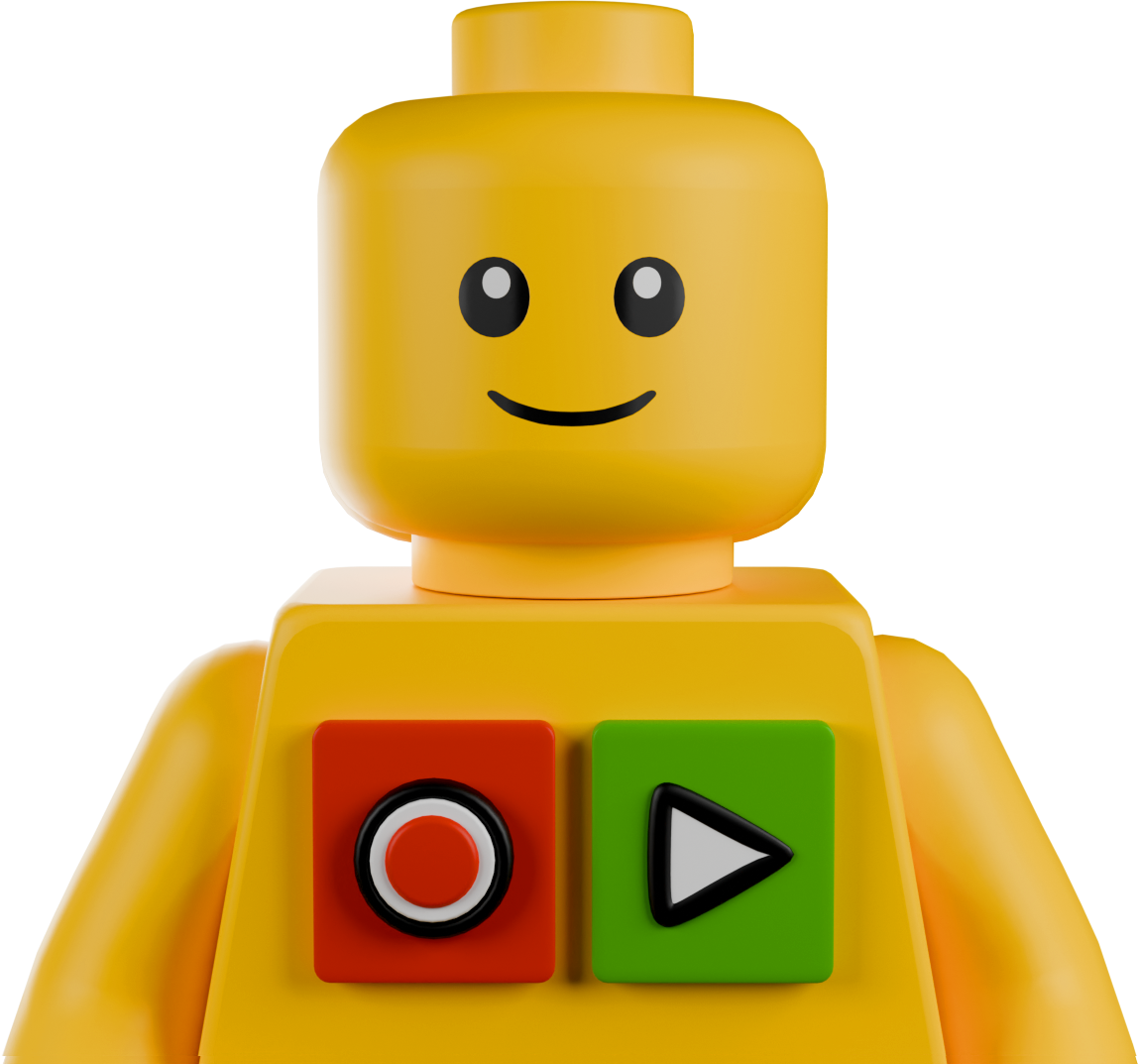
  • The child presses the "Record" button
  • The voice is recorded
  • They press the "Play" button
  • The figure plays the voice

At that moment, the figure's mouth gently moves with light.

The interaction is simple, repeatable, and entirely under the child's control.

Fig-Talks Theoretical Framework

Fig-Talks enables children to express themselves through a personalized figure that represents them, rather than speaking directly.

  • Identity-based interaction
  • Embodied expression
  • Unterstützendes Interaktionssystem
  • Emotional bond through physical representation
  • Physical externalization of voice

Identity

Fig-Talks connects voice with identity.

The child doesn't have to speak directly.
Instead, the figure becomes a tool for expression.

This approach transforms communication from speaking to making the figure speak.

Voice is no longer tied to an instant performance.
It can be recorded, listened to again, and controlled.

This reduces pressure and creates space for expression to emerge naturally.

The figure is not just an object.
It is a representation where the child can see themselves.

When the figure speaks with the child's voice,
expression becomes more personal, more accessible, and more comfortable.

This bond between voice and identity becomes an experience the child can shape.

Create Your Own Figure

Express your voice through a figure that represents you.

By selecting hair, eyes, glasses, and facial details, create a figure that reflects who you are.

If you're part of Mini-Community (Mini-Families or Mini-Experts), you can get in touch with us to start the process.

After approval, you can make your customization choices through the interface.

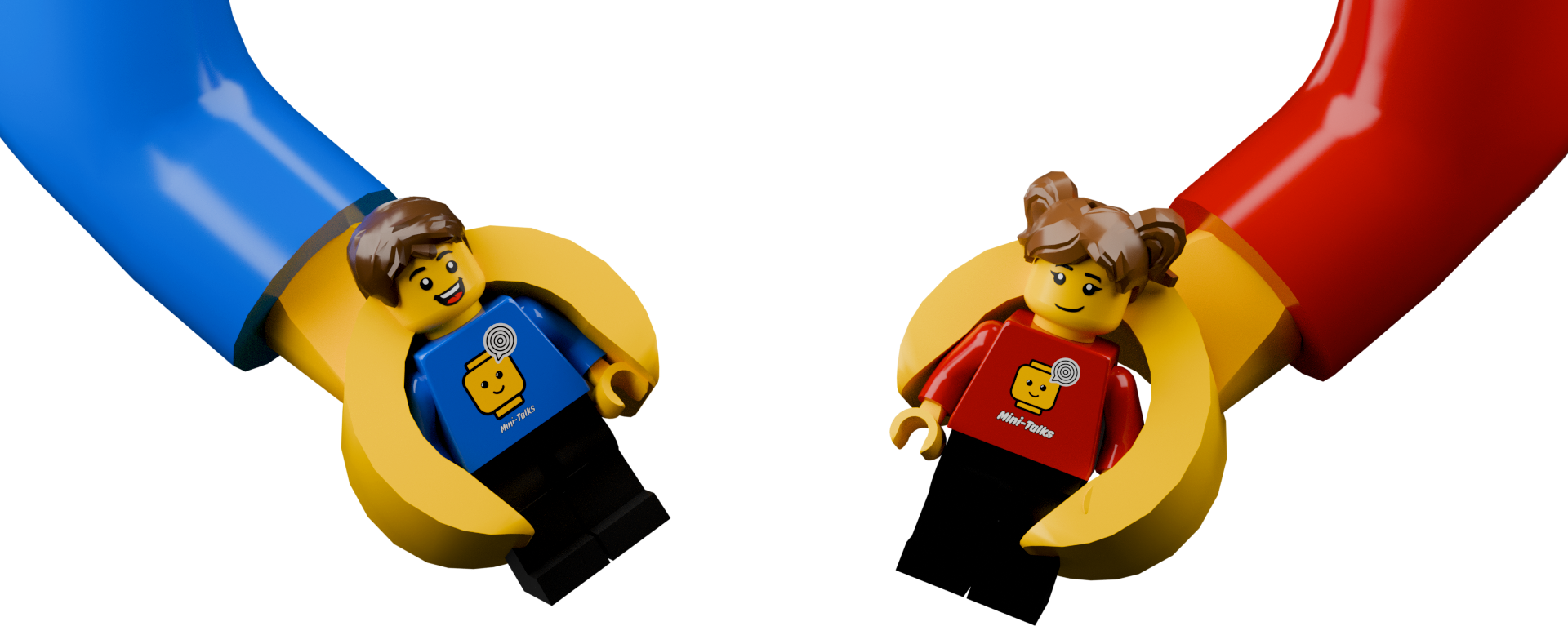
Figure 1 Figure 2
Figures shown are created with AI
and are for illustration purposes only.

Technical System

The Fig-Talks module is designed as a physical system.

  • Body → main system (control, voice, power)
  • Head → expression module (LED matrix)
  • Neck → connection (power + signal)

Core Components:

  • Microcontroller (ESP32)
  • Mikrofon (Spracheingang)
  • Lautsprecher (Sprachausgabe)
  • Storage unit (recordings)
  • 8×8 LED matrix (mouth animation)

Expression System

Fig-Talks expresses voice through a controlled visual system.
Instead of a mechanical mouth, it uses a light-based expression design.

  • In passive state, the customized figure looks normal.
  • During speech, the mouth gently moves.

Animation is minimal and intentional.
It supports expression without being exaggerated.

The figure's mouth is controlled by an 8×8 LED matrix synchronized with voice playback.

The mouth structure consists of 3 layers:

  • Outer surface — preserves classic LEGO appearance.
  • Diffuser layer — softens the light.
  • Inner LED matrix — creates the animation.

The goal is not to imitate speaking,
but to make expression visible.

Production Approach

Fig-Talks makes personalized figures possible through a structured and component-based production system.

Each figure is not built from scratch.
Instead, a fixed base structure is combined with interchangeable parts such as hair, face, and accessories.

Each choice the child makes corresponds directly to a physical component.
This way, the figure is created as a unique combination of pre-defined parts.

This approach makes personalization both practical and scalable, while maintaining visual consistency across all figures.

How Is It Produced?

Fig-Talks is designed as a modular and producible system where 3D printing and embedded electronics come together.

Step 1

Customization (Digital)

  • The child makes their choices.
  • Parametric system produces custom parts.

Step 2

3D Printing

  • Parts are produced with 3D printing.
  • Materials used are safe for children.

Step 3

Electronic Integration

  • Components are integrated into the body.
  • System has a custom-designed circuit structure.

Fig-Talks is not just a recording device —
it is a tangible human-interface system that transforms voice into a physical, identity-linked interaction.

de_DEGerman