How Was Mini-Talks Born?

I can describe myself as a LEGO enthusiast and collector.

When I think about Malcolm Gladwell's famous 10,000-hour rule for mastering a skill, I realize the time I've spent building LEGO is very close to that threshold.

But for me, it's not just about a number.

Through all that time, I learned patience, experimentation, persistence, and self-expression.

My passion for LEGO changed my life.

And with that passion, I wanted to touch other people's lives by using the power of play.

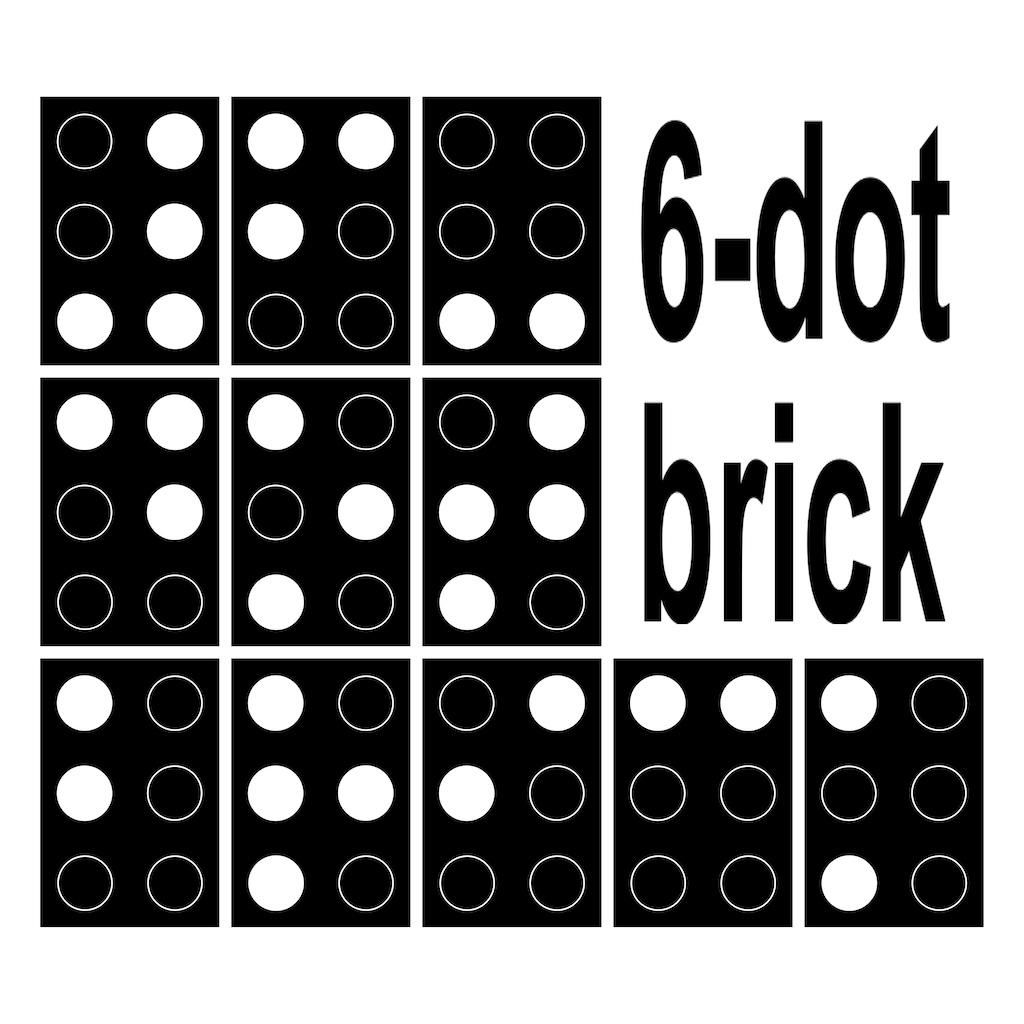
I witnessed a visually impaired child smile as they explored a LEGO-built birthday cake with their hands — because they were hesitant to touch a real one.
I witnessed an Alzheimer's patient see a red LEGO roof piece, recall the house from their childhood, and pause in silent reflection.
I saw a child undergoing long-term leukemia treatment forget all their struggles while stacking LEGO pieces — building hope, brick by brick.
I witnessed complex math formulas go from being intimidating on paper to making sense when arranged in an orderly pattern with LEGO pieces.
I saw that a LEGO stop-motion video could tell a story without using a single word — and that children felt like they were part of that story.
I heard a child who held LEGO for the first time dream of becoming an engineer after learning how gears work.

I traveled from the westernmost to the northernmost, and all the way to the easternmost parts of Turkey, conducting workshops.

But out of everything, what affected me the most was what children who struggle to speak go through.

I experienced this process firsthand with my brother.

I witnessed moments where he couldn't speak, couldn't get his voice out. I saw how heavy it was for him to hold in what he wanted to say — but how he relaxed when playing.

He would change when he picked up a LEGO minifigure.

He would speak on its behalf. First in a whisper, then with growing confidence...

No one was forcing him. There was no rush, no pressure. There was play.

That's when I realized:

For some children to speak, they first need to feel safe.

Sometimes that sense of safety doesn't start with a word — it starts with a game.

That's how Mini-Talks was born.

Not to force speech, but to open a space for it.

So that children can find their voices at their own pace, with characters they choose, through play.

en_USEnglish