Mini-workshops

Gatherings that bring the Mini-Talks experience into real social settings

Children experience communication through natural interactions alongside volunteers

Mini-Talks

What Are Mini-Workshops?

Mini-Workshops are structured gatherings where children use Mini-Talks tools alongside volunteers to experience social situations.

During this process, children
— accompanied by volunteers and supportive individuals —
engage in experiences that reflect everyday social settings,
using Mini-Talks tools.

Mini-Workshops are not tied to a single tool, setting, or method.
Instead, they bring together different components of the Mini-Talks system, allowing children to experience communication at their own pace and without pressure.

Mini-Workshops are not an event,
but an experiential space within the Mini-Talks system that supports communication.

Why is it important?

Professional support plays an important role in a child's communication journey.
However, this process is not limited to therapy settings alone.

Being around people with awareness in different social environments
significantly supports the development of a child's communication skills.

However, finding such supportive individuals is not always easy.
On the other hand, people who want to volunteer
may hold back because they don't know how to approach the situation.

Mini-Workshops address both of these needs together.
For children, they create pressure-free and supportive interaction spaces
in various social settings,
while also providing volunteers with a framework that makes it easier to get started.

Building scenes with Mini-Settings, designing together, and connecting through play
serve as a natural and accessible starting point for communication.

With the support of different people, diverse social environments, and Mini-Talks tools,
a more inclusive, natural, and sustainable communication environment is created for children.

Who can organize?

You don't need to be a professional to organize a Mini-Workshop.

At the heart of Mini-Workshops
are volunteers who are aware and capable of creating supportive environments.

Volunteers:
· spend time with children
· create a space for play and interaction
· support communication without pressure

In this process, professionals or families
take on a supporting and observing role.

The foundation of this approach is not expertise, but awareness and attitude.
There is no specific age requirement for this process.

Even high school students can contribute
to helping a child find their voice, as long as they have the right awareness.

The Mini-Talks system provides the structure to support this process.
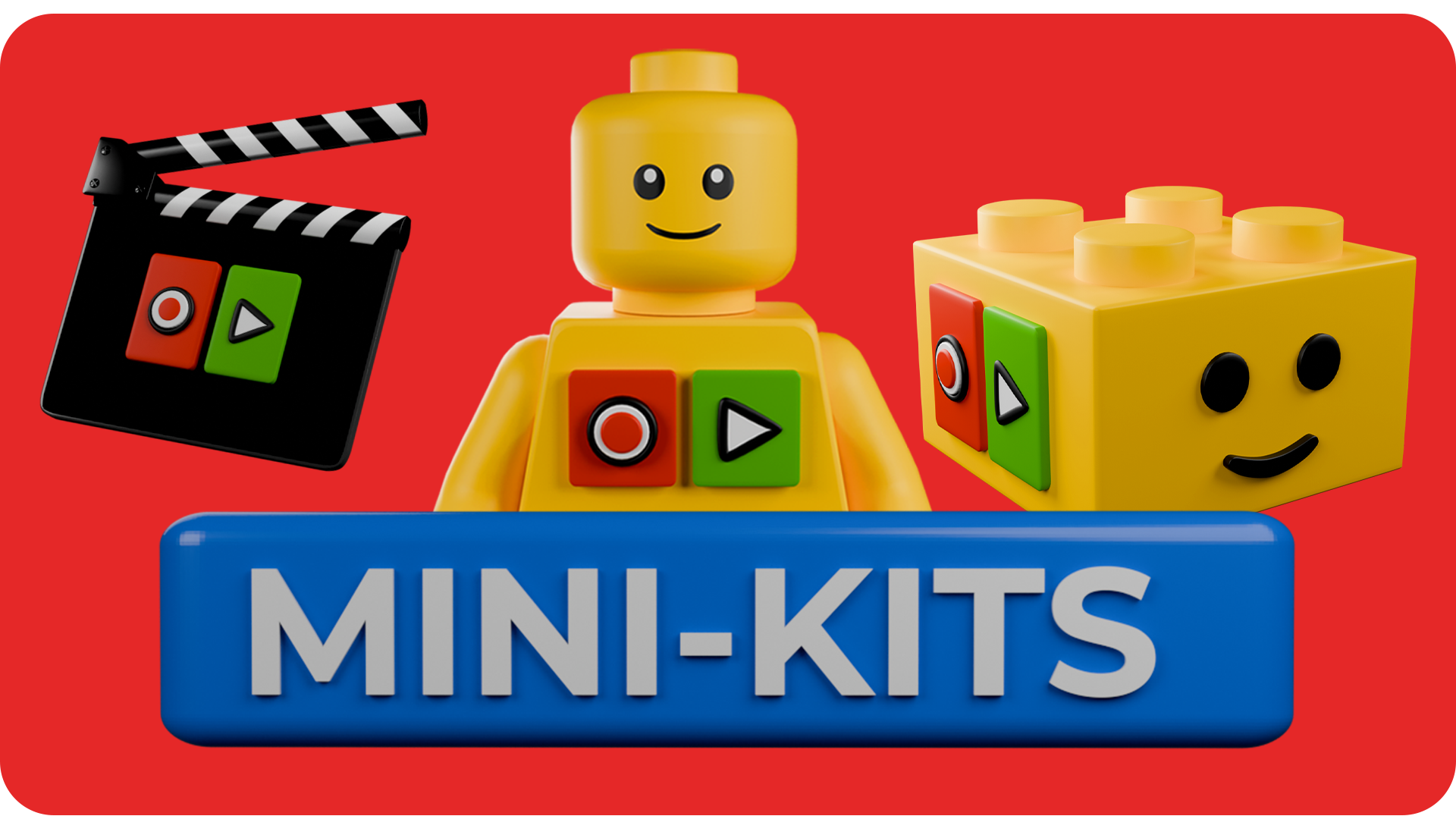
Mini-Kits, App & Studio, and Talk-Spots work together
to make it easier for volunteers to start and sustain the process.

Inspired by My Sister's Experience

My sister didn't speak to my high school friends for a long time.
But she played games with them, spent time together, and connected without words.

These pressure-free interactions gradually built trust.
And when she started speaking, they were among the first people she communicated with.

While talking to an adult can be intimidating for young children,
connecting with a warm and fun older sibling figure can be much easier.

Communication built simply through spending time together and playing — without any pressure —
can turn into moments where children feel comfortable expressing themselves.

That's why what matters for organizing Mini-Workshops is not age, but awareness and mindfulness.

In what settings do they take place?

Mini-Workshops are not tied to a specific location.
They take place in small and safe settings,
either one-on-one or in small groups,
within the natural flow of daily life.

Gaining experience in different settings
supports the transfer of communication to various social environments.

Talk-Spots provide social environments
that support this experience with awareness.

What matters is not where it takes place,
but how the environment is created.

How does it work?

Mini-Workshops take place with the support of Mini-Volunteers.
At their core is a volunteer approach built on awareness and support.

For those who want to volunteer to help children find their voice but hesitate because they don't know how to approach it, the Mini-Talks system makes the process clear and actionable.

The process is planned together with volunteers who want to organize Mini-Workshops,
and the necessary Mini-Kits physical tools are provided by us.

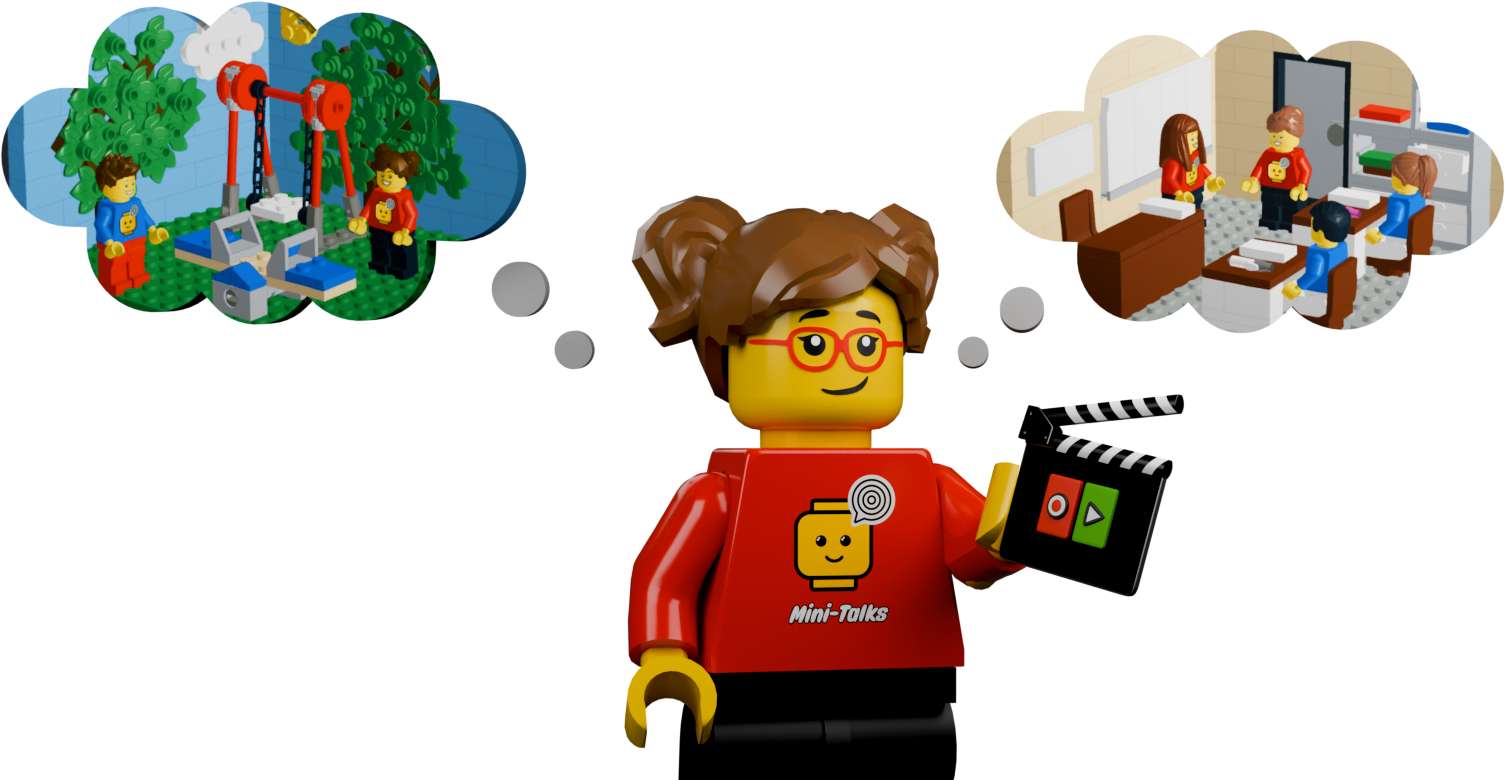
As children build Mini-Settings scenes piece by piece alongside volunteers,
they also build trust step by step — without any pressure to speak.
They naturally approach communication through role play with their own figures.

With Brick-Talks, first recordings are often made by the Mini-Volunteers themselves.
This way, children begin participating in communication and recording voices
through play and role-playing, without feeling any pressure.

Fig-Talks offers children a space to express themselves indirectly rather than directly.
Especially in early interactions, it makes communication feel safer and more accessible.

App & Studio supports this experience with personalization and animation,
making the process more natural and enjoyable.

Talk-Spots carry this experience into different social environments,
supporting children in building communication with different people.

In this way, Mini-Workshops —
with different people, different settings, and supportive tools —
create a safe, natural, and sustainable communication space for children.

Would You Like to Organize
or Join a Mini-Workshop?

Volunteers who want to organize a Mini-Workshop
and families who want to support their children's communication journey can reach out to us

Mini-Talks is not a substitute for therapy; it is designed to provide experiential spaces that support communication.
Mini-Workshops are designed not to replace situations that require professional guidance,
but to offer a supportive experience within daily life.

da_DKDanish