
Selective mutism is an anxiety disorder that affects approximately one in every 140 children.
It is not rare. It simply goes unnoticed far too often.
Children with selective mutism are not silent because they do not know how to speak. They are silent because intense anxiety prevents them from using their voice in certain situations.
They may be unable to answer when a teacher calls their name.
They may be unable to laugh out loud while playing.
They may be unable to cry out when they are hurt.
The words are there inside them. They simply cannot come out.
This silence is not a choice.
It is something they cannot control. It is a struggle.
Without support at an early age, a child’s confidence, social relationships, and courage to express themselves can be deeply affected. Research shows that support provided before the age of eight can be significantly more effective. As time passes, anxiety can deepen and the silence can become more persistent.
I experienced this firsthand with one of the most important people in my life—my sister.
I am not a therapist or a specialist.
But I am a big brother who knows what this silence can mean.
As a young LEGO enthusiast, I began to see that when the right environment is created, play can become a bridge. I witnessed how, when pressure is removed and trust is built, speech can begin to emerge.
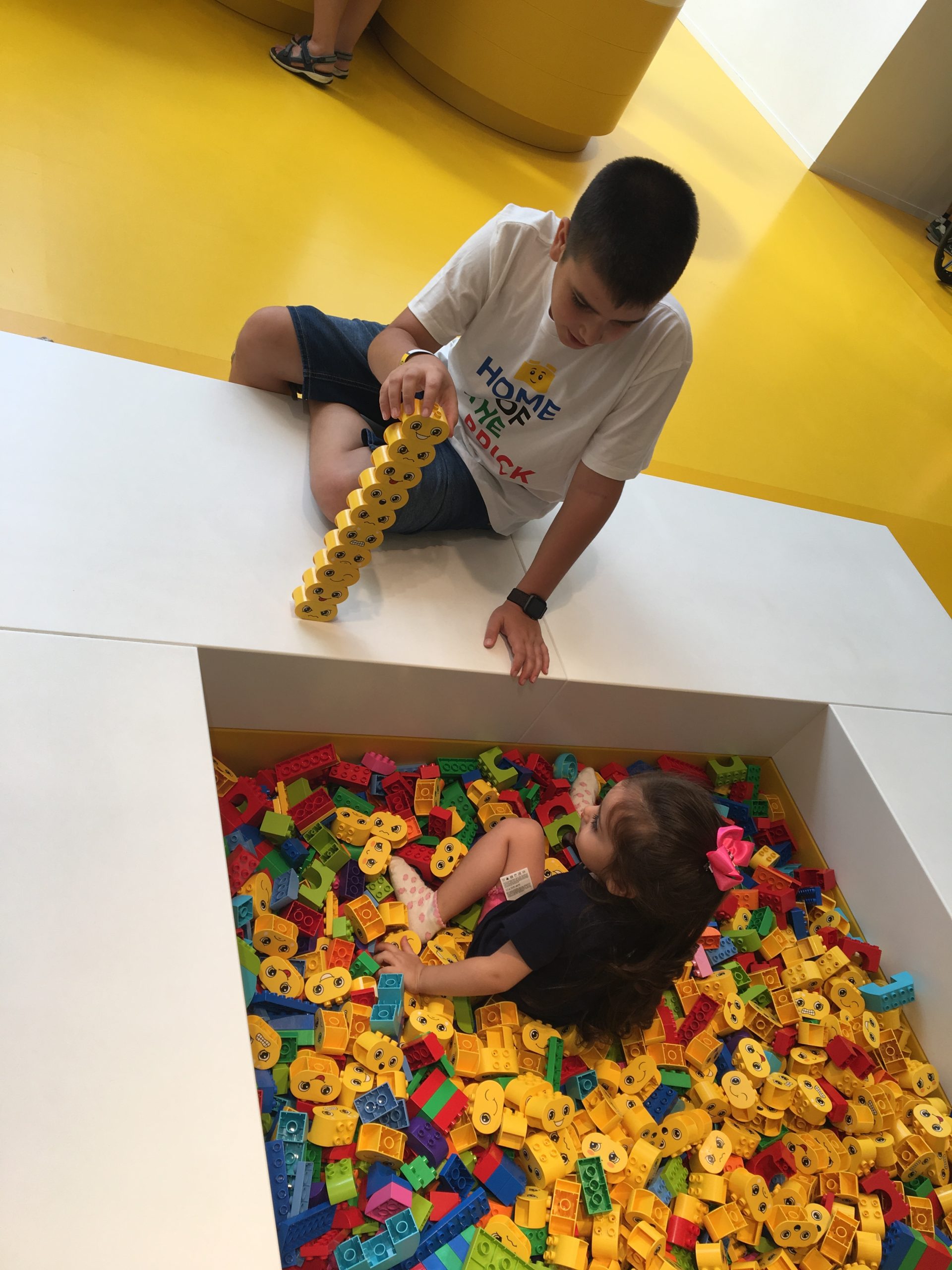
Playing with my sister using LEGO DUPLO emotion bricks.
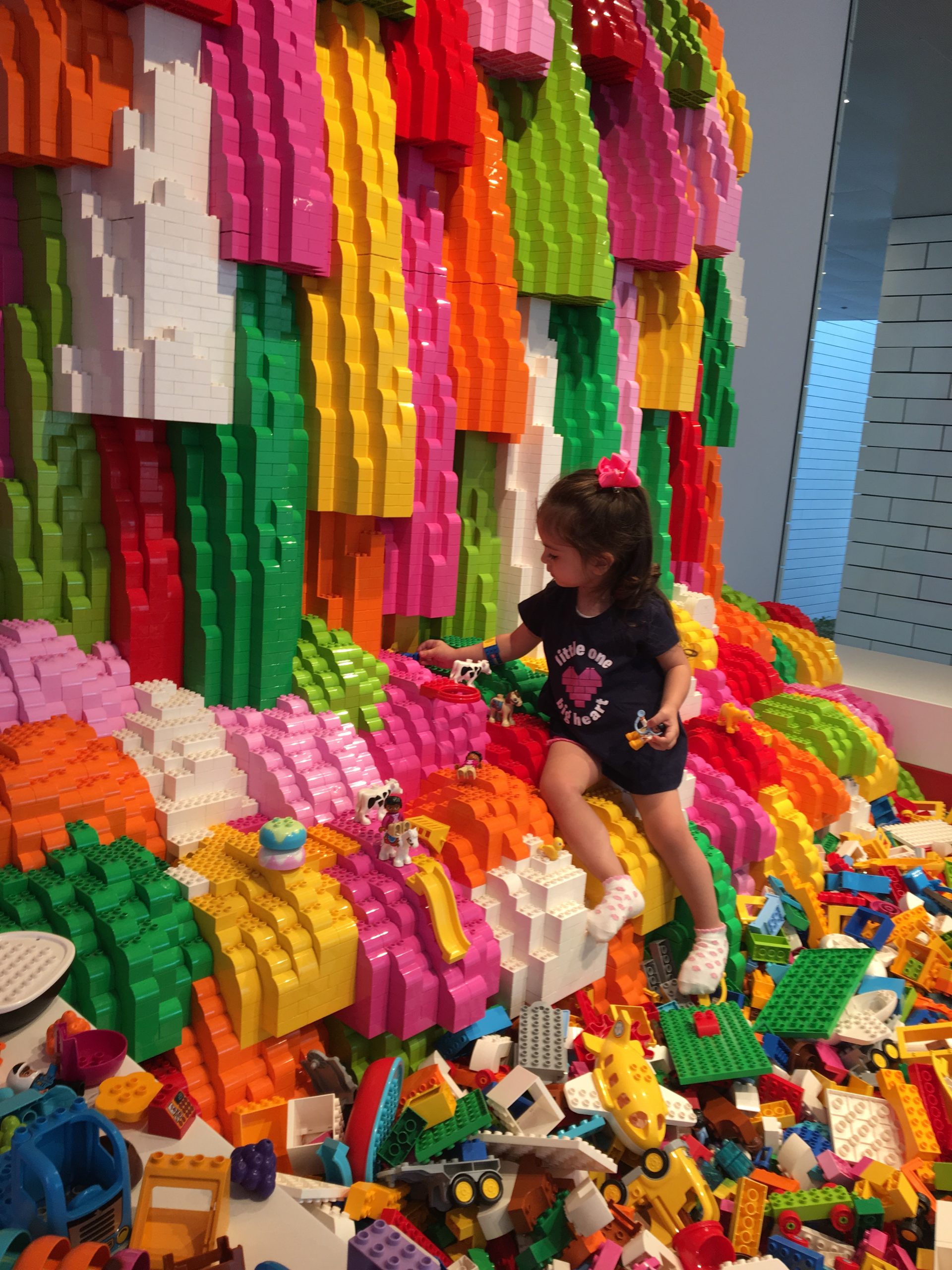
My sister playing at LEGO House.
I believe in LEGO’s phrase, “Play is Your Superpower.”
Play truly is a superpower—especially for children with selective mutism, during the very years when early support can make the greatest difference.
I also believe in the words of LEGO founder Ole Kirk Kristiansen: “Only the best is good enough.”
To me, that idea carries an even greater meaning when it comes to children. They deserve the best care, support, ideas, and opportunities we can give them.
But when it comes to children with selective mutism, I do not believe we have done our best yet.
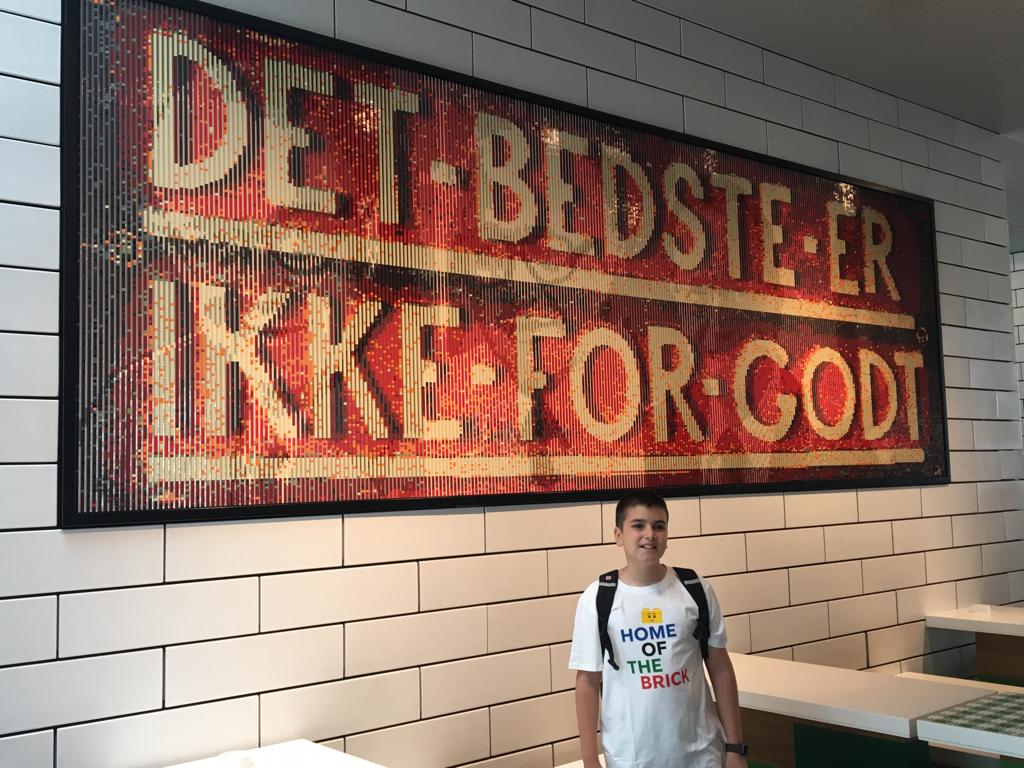
With Ole Kirk Kristiansen’s motto: “Only the best is good enough.”
Mini-Talks can be one such beginning.
But my hope is that it inspires much more.
When technology, game design, research, and social awareness come together, real change is possible.
If you are reading this today and you have the knowledge, resources, or influence to help a child find their voice, please do not wait.
Do not let a child spend their childhood in silence.
Because no child should have to spend the years when they are learning to speak, laugh, connect, and express themselves freely trapped in silence.
If play is a superpower, then we should use that power especially for children whose voices go unheard.
And if we believe that “Only the best is good enough,” then the best we can work toward is a world in which no child is left unheard.
Together, we can help their voices be heard.
Alp Özpamir

 English
  Turkish
  German
  Danish